
Why lasting solutions matter in poverty alleviation
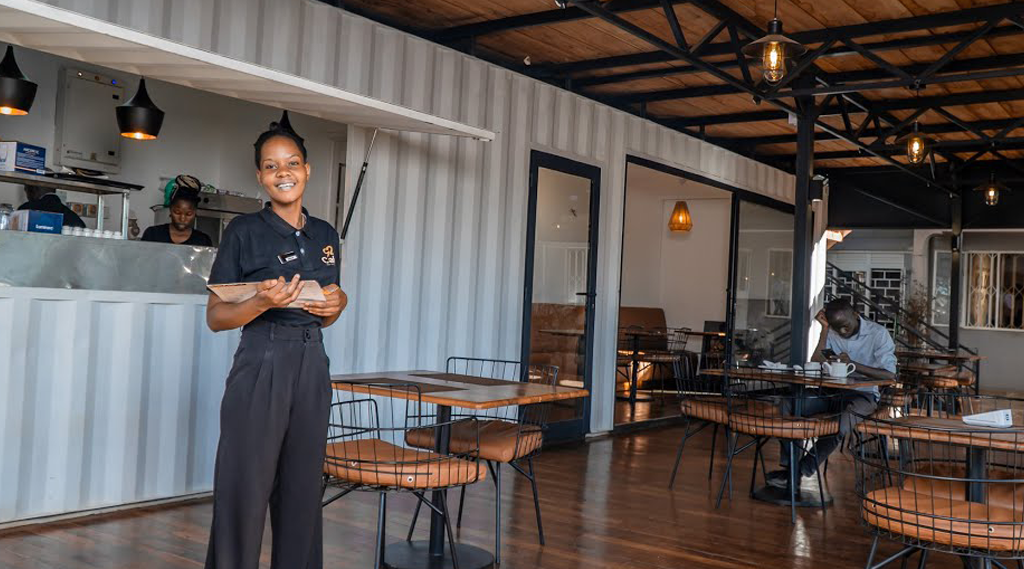
Before you read further, we invite you to watch the short video above. In it, you’ll meet one of our long-time partners in Uganda and take a brief tour of a café that is doing far more than serving coffee. It’s creating jobs, funding vocational training, and helping a community move toward long-term independence. What you’ll see in that video captures something deeply important to us at Impact Nations:
Sustainability in action.
Why sustainability matters in poverty alleviation
For decades, charitable giving has brought real and measurable good to communities around the world—clean water, medical care, education, and emergency relief.
These efforts save lives and will always be necessary. But thoughtful donors today are increasingly asking a deeper question: Is this helping to create lasting change, or just meeting the same needs year after year? That question isn’t a lack of compassion.
It’s good stewardship. When aid has no long-term vision, even well-intended generosity can unintentionally create dependency—where communities remain reliant on outside funding and local initiatives slowly erode.
Over time, this can undermine the very resilience and dignity that charitable work hopes to restore. Sustainable poverty alleviation asks a better question:
How can generosity help communities build the capacity to thrive on their own?
A different approach: partnership, not permanence
At Impact Nations, sustainability isn’t a buzzword. It’s a guiding principle. Rather than positioning ourselves as permanent providers, we partner with local leaders to help create locally-owned solutions—including businesses and social enterprises—that generate income, create jobs, and reinvest resources back into the community.
This approach does not replace traditional charity. It strengthens it. Emergency relief still matters. Education still matters. Healthcare still matters. But wherever possible, we ask: Is there a way for this work to eventually stand on its own?
Sustainability in action: a café that funds transformation
The café featured in the video above was launched through a repayable loan made possible by Impact Nations supporters. Today, that single business:
Across several social enterprises started through similar partnerships, these businesses now help fund more than 60% of the vocational schools connected to this local ministry.
That means programs that once relied entirely on donations are increasingly supported from within the community itself. This is what sustainability looks like—not theory, but practice.
Questions every thoughtful donor should ask
If you’re considering supporting a charitable organization—especially internationally—here are a few important questions worth asking:
Organizations that welcome these questions are usually the ones doing the hardest—and most meaningful—work.
How Impact Nations is trying to live this out
At Impact Nations, we regularly ask these same questions of ourselves and our partners. We don’t believe there is a single perfect model, but we are deeply committed to learning, accountability, and long-term impact.
That commitment shows up in how we:
Our goal is simple: that generosity given today would still be bearing fruit long after the initial gift has been spent.
Generosity that builds a future
Sustainable charity doesn’t mean caring less. It means caring wisely.
It honors the dignity, creativity, and leadership of local communities—while also honoring the trust donors place in the organizations they support.
The café you saw at the top of this page is just one example of what’s possible when generosity is paired with vision. It’s not about doing less good—it’s about doing good that lasts.
Want to see more stories like this?
Explore additional updates from Impact Nations partners around the world, or reach out to learn how your generosity can help build lasting solutions.